


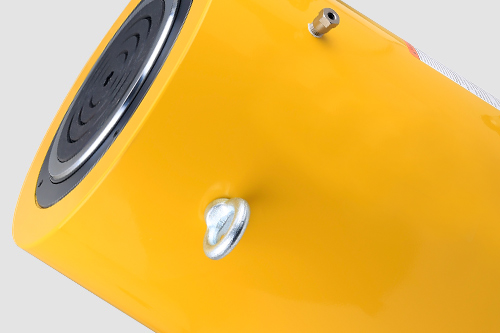
Hydraulic jack faults and solutions, I believe that through the study of this article, you can gain a lot of knowledge about hydraulic jack maintenance.
Based on years of industry experience, our engineers summarize the common problems in the process of using hydraulic jacks by customers, summarize several common problems, and provide support for customers to solve problems as soon as possible, answer the possible causes of problems and corresponding solutions.
The hydraulic jack piston rod does not extend out, is slow to extend or does not extend completely?
1. The oil drain valve of the pump is opened: fully tighten the oil drain valve;
2. The joint is not tightened: the joint is fully tightened;
3. Lack of hydraulic oil in the pump tank: add hydraulic oil;
4. Pump or valve problem: repair, or use a new pump or valve;
5. Hydraulic jack overload: use other hydraulic jacks that meet the load requirements;
6. Hydraulic jack piston rod blockage: check the cleanliness of the cylinder and replace the damaged parts.
Hydraulic jack can't hold pressure?
1. Oil leakage at the connection: clean the joint thread and reconnect it, tighten the joint;
2. Hydraulic jack sealing ring oil leakage: clean the cylinder block, replace the seal with clean hydraulic oil;
3. The oil drain valve is not tightened: the oil bleed valve is fully tightened;
4. Pump or valve failure: Repair or replace the pump or valve.
Jitter when the piston rod is extended?
1. There is air in the hydraulic jack: exhaust;
2. Hydraulic jack piston rod blockage: check the cleanliness of the cylinder and replace the damaged parts.
Hydraulic jack leaking oil?
1. Oil leakage at the connection: clean the joint thread and reconnect it, tighten the joint;
2. Damage to seals: clean cylinder blocks, replace seals with clean hydraulic oil;
3. Hydraulic jack damage: replace the hydraulic jack with a new one, or contact the manufacturer for repair.
Hydraulic jack piston rod not retracting or slow recovery?
1. The oil drain valve is not fully opened: fully open the oil valve;
2. The joint is not fully tightened: the joint is fully tightened;
3. The pump storage tank is full: drain the hydraulic oil in the storage tank to a suitable position;
4. Tubing blockage: clean or replace the tubing;
5. Hydraulic jack inner pull spring or pressure spring damage: replace the pull spring or pressure spring;
6. Hydraulic jack damage: Replace the hydraulic jack, or contact the manufacturer for repair.
You may also want to know: "Point-Line Fault Diagnosis Method for Thin Hydraulic Jacks"