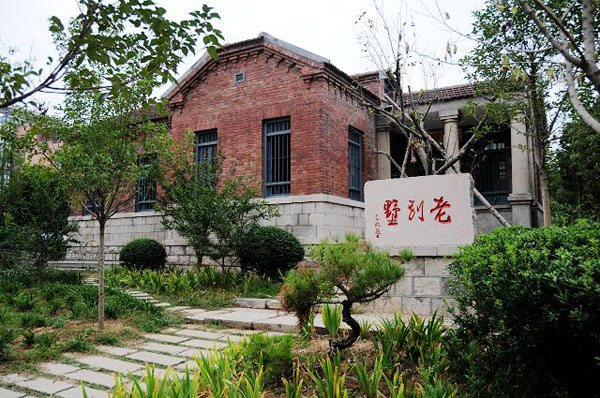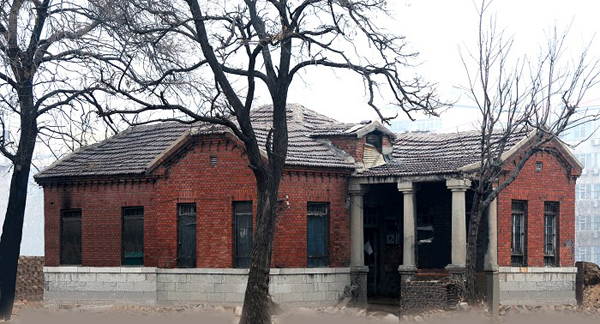
A historic building with a long legacy stood alone, surrounded by modern skyscrapers—a lone remnant of another era, isolated in a world that no longer belonged to it. If buildings could think, it would surely dream of finding a new home, a place where it could truly belong. Fortunately, advancements in science and engineering have made such dreams a reality.
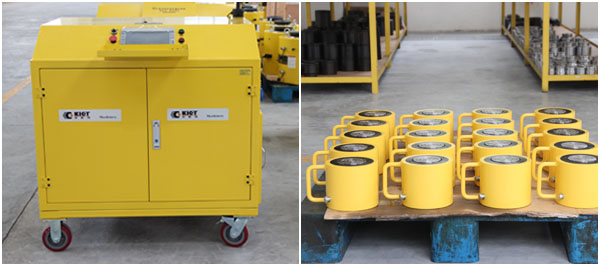
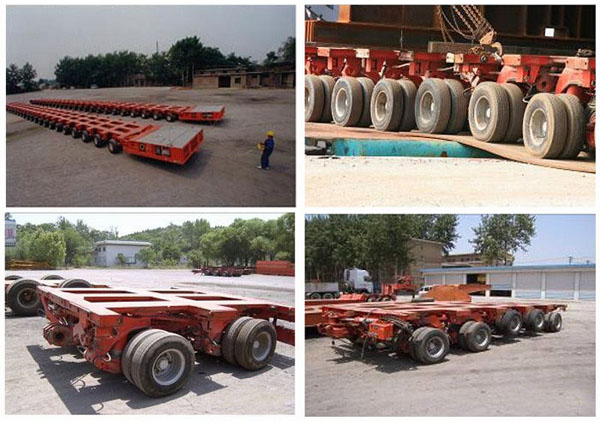
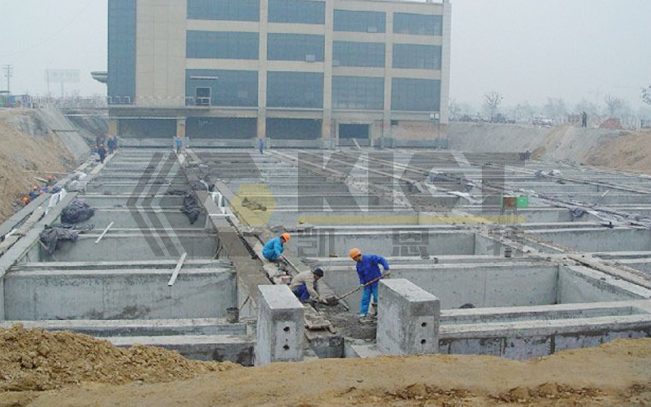
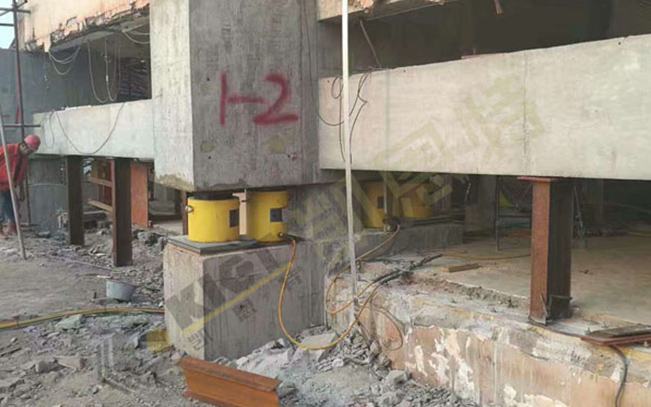
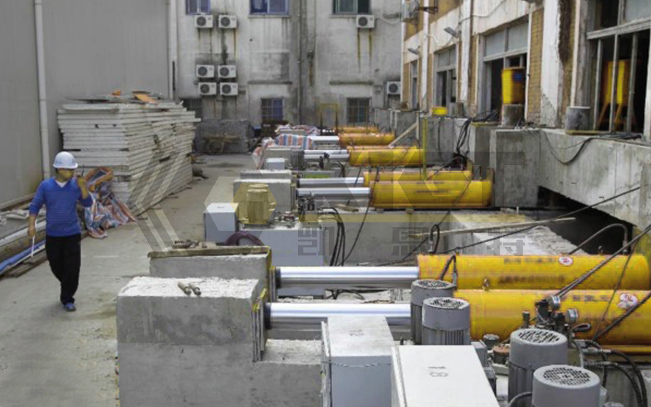
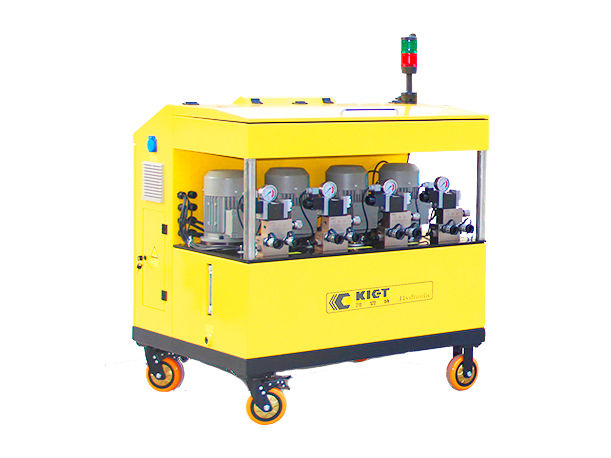
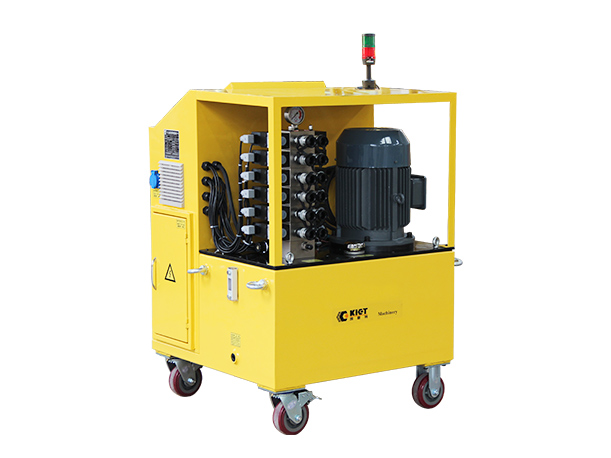
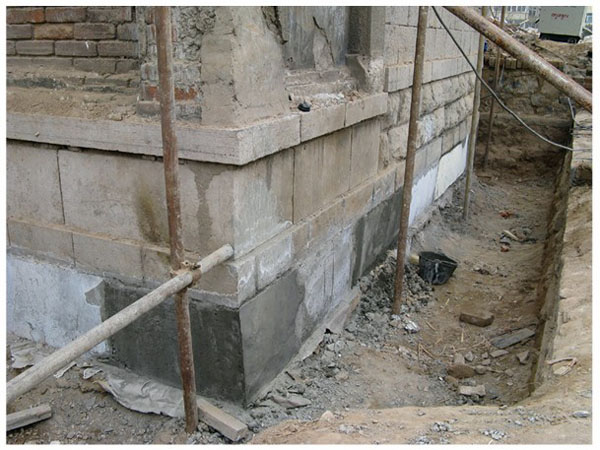
Let’s explore how technology enables the relocation of such heritage structures. The process begins with the deployment of a multi-point synchronous hydraulic lifting system and a sufficient number of low-profile hydraulic cylinders, along with heavy-duty hydraulic flatbed trailers. Before moving, the building’s walls are reinforced and a structural frame is established. Using single-beam reinforced concrete underpinning beams, sections beneath the walls are carefully excavated and replaced with support beams. Special attention is paid to ensuring that the framework is strong and the force-bearing points can withstand the lifting pressure applied by the hydraulic cylinders.
Next, the prepared low-profile hydraulic cylinders are positioned beneath the building. With the help of the synchronous hydraulic lifting system, all cylinders operate in perfect unison, preventing any imbalance that might otherwise damage the structure. The building is incrementally lifted to the required height. Then, two rows of hydraulic flatbed trailers are placed underneath, and the cylinders are withdrawn. The trailers must be able to fully support the weight of the building.
At this stage, only half of the project is complete. The historic structure is then carefully transported to its new location. Upon arrival, the synchronous lifting system is used again—this time to control the synchronized lowering of the building onto its new foundation.
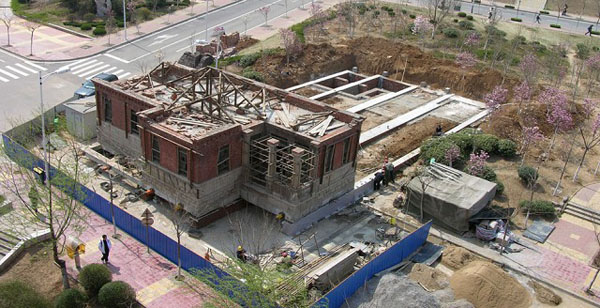
Through this series of lifting, moving, and lowering steps, the historic building finally arrives at its new home—a place that better fits its character and preserves its legacy. This achievement is a testament to modern technology and a proud milestone in our ongoing mission to protect and celebrate cultural heritage.