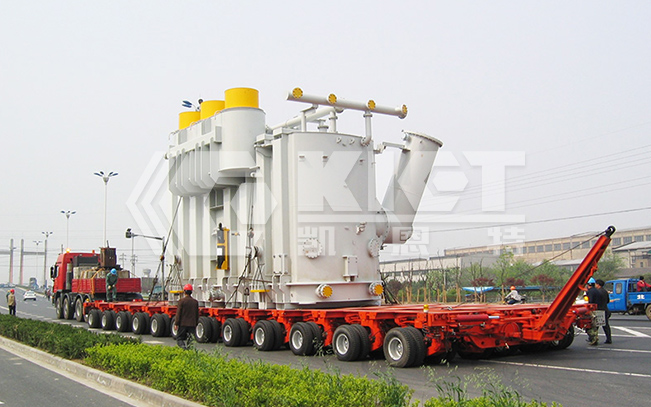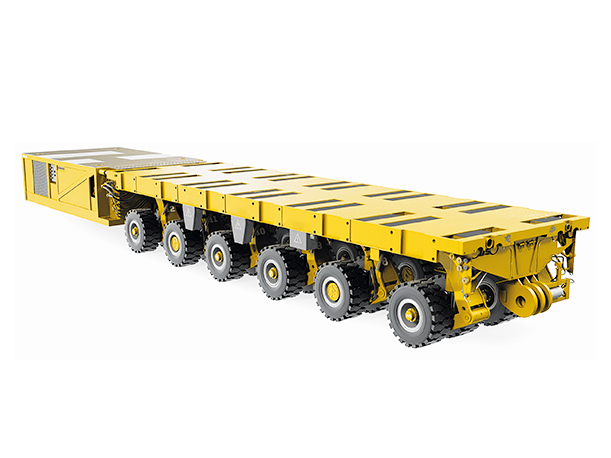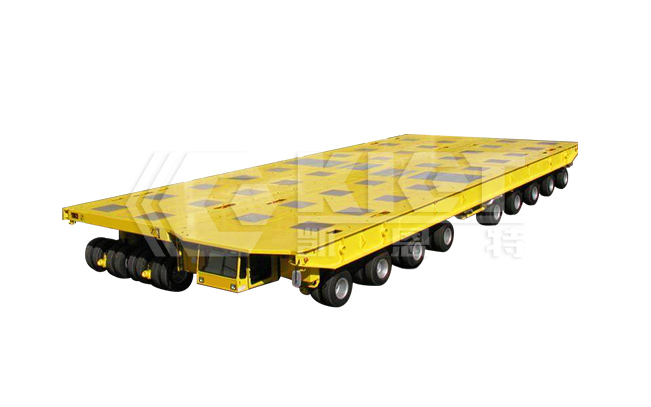
A Self-Propelled Modular Transporter (SPMT) is a specialized transport vehicle composed of multiple hydraulic modules. These modules can extend or retract as needed to accommodate equipment of different sizes and weights. Through a bus-controlled microcomputer, the maximum configuration can reach 1,000 axle lines, with a maximum load capacity of up to 20,000 tons.
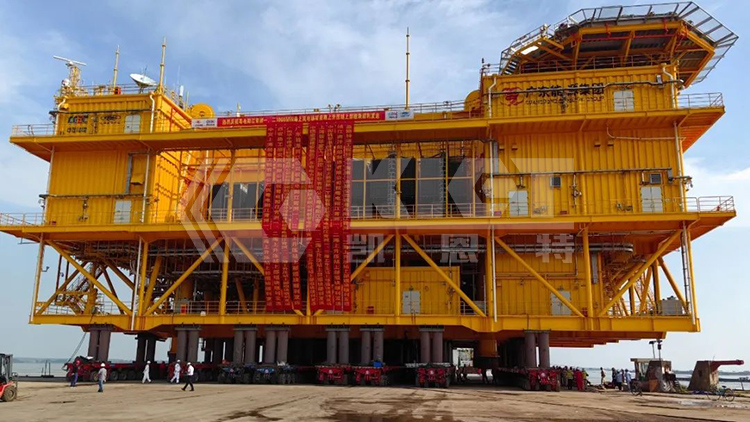
As the global demand for renewable energy continues to grow, offshore wind power projects have become a key direction for energy development in many countries. Substations are critical facilities in the offshore wind power system, responsible for stepping up the low-voltage electricity generated by the wind turbines and transmitting it to shore, playing a vital role.
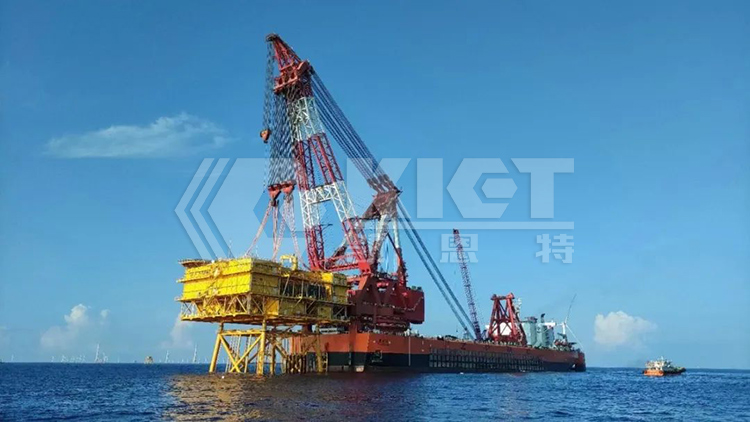
The topside module of the substation for this transport project measured 60 meters in length, 50 meters in width, and 25.7 meters in height (equivalent to a 9-story residential building), with a total weight of approximately 6,450 tons. It is currently the largest single unit and the heaviest offshore substation in the world.
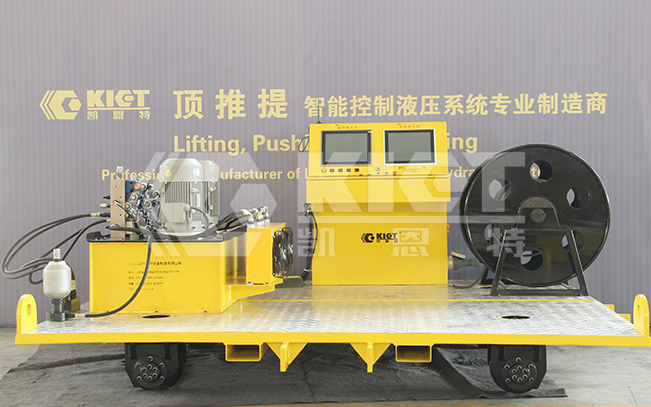
During the transportation of such oversized equipment, challenges like difficult and costly logistics are common. To ensure the safe and smooth load-out of this massive facility, a relocation plan was designed using eight columns of SPMTs with synchronous control. The transporters, controlled by a hydraulic system, feature automatic steering and self-leveling, which kept the massive offshore substation stable and balanced during relocation.
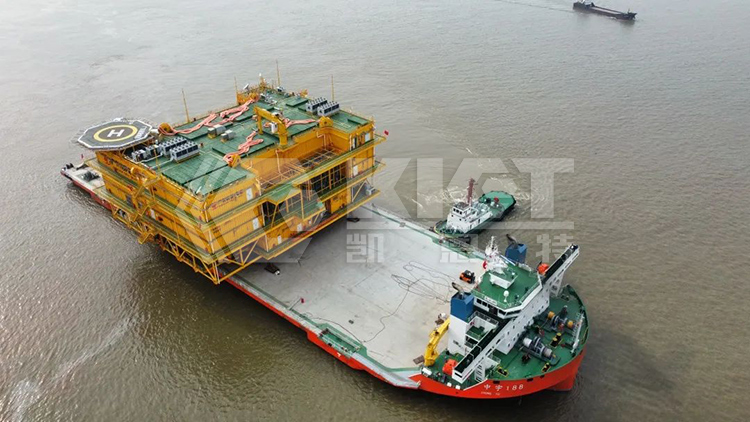
The successful installation of such a large piece of equipment depends on the seamless cooperation of every link in the chain. From load-out and securing to sea transport and hoisting, the final goal can only be achieved if every step is executed flawlessly. The advent of SPMTs provides an effective solution for the efficient transportation of oversized equipment. We believe they will continue to drive improvements in the efficiency and safety of transporting heavy and oversized loads in the future.